Skip to content

Archive for

Econometrics with R – Part 1


Econometrics with R- Part 1

Why have I written this manual

I love R. R is a great software for statistical analysis and producing beautiful and reliable graphic from data. I initially learned to use R myself and found it was a steep learning curve to do it alone. However, I have been successfully used R for my research thanks to such an useRs community. Whatever and whenever I got a problem in R, I can find an answer (or usually more than one answer) available freely in the Internet or just emailing the package creator and get the answer with CODE in minutes. Hence I have owned the useRs a great deal. Once I believe that I can contribute back to the R community, I thought that writing my version of R manual (from the non-programmer & econometrician aspect) would make a small contribution to the R ecosystem. I am not the expert in R, but believe in its power and potentials for others for research or teaching. If you find any bugs or error found in this manual, please do not hesitate to let me know. Then I will correct it ASAP.

Why do econometricians should use R

  1. Free
    Anyone can use R without any financial cost.
  2. Reliable
    R has been accepted as a lingua franca for statistical analysis. It has been widely and intensively used by both academics and practitioners.
  3. Available Window PC, Mac and Linux (with high compatibility)
    ข้อนี้ผมชอบมากเพราะส่วนตัวใช้ Mac แต่ที่โรงเรียนเป็น window PC
    การใช้ ทำให้ไม่ประสบปัญหาเรื่องการย้ายเครื่องคอมพิวเตอร์ในการวิเคราะห์ สามารถทำงานได้ทั้งบน Mac และ Window PC
  4. Fresh and Up-to-date
    เนื่องจากเป็น จึงมีผุ้ร่วมพัมนาโดยการเขียน Packages ซึ่งนักวิจัยและอาจารย์ที่มีชื่อเสียงหลายๆ ท่านก็จะเขียน Packages สำหรับเครื่องมือทางสถิติใหม่ๆ ซึ่งสามารถใช้ได้ฟรีเช่นกัน
  5. Worldwide community of useRs
    มีผู้ใช้งาน R มากมายทั่วโลก และหลายๆ คนก็เขียนคู่มือ ข้อแนะนำลงในอินเตอร์เน็ต หากมีปัญหาอะไร ลองค้นดูในอินเตอร์เน็ตกจะเจอคำตอบมากมาย นอกจากนี้ก็มี R-bloggers, Twitter (#rstats), stackoverflow ที่เราสามาาถติดต่อและถามคำถาม ผู้ใช้และผู้ที่พัฒนา  R ได้อย่างง่ายดาย
  6. Reproducibility 
    R มีการเก้บบันทึกคำสั่งในการวิเคราะห์ทำให้เราไม่ต้องจำว่ากดปุ่มไหนไปบ้าง ทำให้สามารถกลับไปดูการวิเคราะห์เก่าๆ และทำซ้ำได้อย่างง่ายดาย
  7. Synergy with LaTeX
    R สามารถใช้ร่วมกับ โปรแกรมการสร้่างเอกสารอย่างมืออาชีพอย่าง TeX หรือ  LaTeX ผ่านการ Sweave ได้อย่างมีประสิทธิภาพ
    สำหรับผู้ที่ต้องใช้การวิเคราะหืแบบเดิมๆ กับข้อมูลใหม่ที่มาอยู่เสมอ เช่น รายงานการเงินประจำปี นั้น การใช้ R จะทำให้ประหยัดเวลาได้เยอะมาก

Continue to Part 2

Other posts about R

Thailand National Research Strategy on Logistics and Supply Chain


ยุทธศาสตร์วิจัยด้านโลจิสติกส์และโซ่อุปทานแห่งชาติ

ฉบับที่ ๒ (อยู่ระหว่างการจัดทำ)

การประชุมเพื่อจัดทำประชาพิจารณ์ยุทธศาสตร์วิจัยด้านโลจิสติกส์และโซ่อุปทานแห่งชาติ ฉบับที่ ๒ (พ.ศ.๒๕๕๕-๒๕๕๙) PDF

ฉบับที่ ๑ (เสร็จสมบูรณ์)

เอกสารสำคัญ

  1. ยุทธศาสตร์วิจัยด้านโลจิสติกส์และโซ่อุปทานแห่งชาติ PDF
  2. สรุปผลประชุม Roundtable ครั้งที่ 1 PDF
  3. ตารางกิจกรรมการบริหารจัดการงานวิจัยแบบมุ่งเป้าประจำปี 2555 DOC

หน่วยงานประสานงาน
Website: www.thaivcml.com
Email: officelogistics.trf@gmail.com

สำนักประสานงานชุดโครงการวิจัยโลจิสติกส์และโซ่อุปทาน
ฝ่ายอุตสาหกรรม สำนักงานกองทุนสนับสนุนการวิจัย

พันธกิจของชุดโครงการวิจัยโลจิสติกส์และโซ่อุปทาน สนับสนุนการวิจัยที่สอดคล้องกับยุทธศาสตร์โลจิสติกส์ของชาติ มุ่งเน้นผลวิจัยที่สอดคล้องกับยุทธศาสตร์โลจิสติกส์ของภาครัฐ และแนวทางปฎิบัติที่ดีที่สุดของภาคอุตสาหกรรม

โครงการที่อยู่ในความดูแลของชุดโครงการโลจิสติกส์และโซ่อุปทาน

1. โครงการพัฒนารูปแบบการคัดกรองสินค้าหนึ่งตำบลหนึ่งผลิตภัณฑ์ที่เป็นหัตถอุตสาหกรรม

2. โครงการการนำเทคโนโลยีการสื่อสารข้อมูลมาประยุกต์ใช้เพื่อการขนส่งในประเทศไทย

3. โครงการการจัดการโซ่อุปทานของอุตสาหกรรมกุ้งขาวลิโทพีเนียสแวนาไมในประเทศไทย

4. โครงการการจัดการโซ่อุปทานของอุตสาหกรรมสับปะรด

5. โครงการการจัดลำดับการผลิตซ้ำใหม่สำหรับผลิตภัณฑ์คอนกรีต

6. โครงการการพัฒนาแบบจำลองโซ่อุปทานในการทำงานร่วมกันระหว่างธุรกิจค้าส่ง – ค้าปลีก และการพัฒนาดัชนีชี้วัดสมรรถนะโซ่อุปทานธุรกิจการค้าปลีก

7. โครงการปัจจัยการผลิตและผลผลิตสำหรับกลุ่มจังหวัดภาคใต้ตอนกลางเพื่อประเมินผลด้านเศรษฐกิจ

8. โครงการการจัดตารางการขนส่งเพื่อให้ค่าใช้จ่ายในการทำความสะอาดถังพักนมต่ำที่สุด : กรณีศึกษาโรงงานผลิตนมขององค์การส่งเสริมกิจการโคนมภาคตะวันออกเฉียงเหนือ (อ.ส.ค.) จังหวัดขอนแก่น

9. โครงการการจัดการโกดังสินค้าและคลังกระจายสินค้าสำหรับอุตสาหกรรมน้ำตาล

10. โครงการการศึกษาและสำรวจระบบโลจิสติกส์ของประเทศจีนในบริบทของข้อตกลงการค้าเสรีอาเซียน-จีน

11. โครงการการศึกษาระบบจัดการโซ่อุปทานของลำไยสดในประเทศไทย

12. โครงการการนำเทคโนโลยีการสื่อสารข้อมูลมาประยุกต์ใช้เพื่อการขนส่งในประเทศไทย

1.โครงการการออกแบบระบบการตัดสินใจ เลือกระบบการขนส่งต่อเนื่องหลายรูปแบบระหว่างไทย – เวียดนาม

2.โครงการ การสร้างเครือข่ายการรวมกลุ่มและเชื่อมโยงข้อมูลของเกษตรกรและชุมชนกรณีศึกษา: โซ่อุปทานลำไยนอกฤดู

3.โครงการวิจัยการจัดการโลจิสติกส์และโซ่อุปทานของเหรียญกษาปณ์

1.โครงการนโยบายของไทยในการจัดการโซ่อุปทานและโลจิสติกส์น้ำตาล

2.โครงการนโยบายของไทยในการจัดการโซ่อุปทานและโลจิสติกส์อ้อยและน้ำตาล การเพิ่มประสิทธิภาพการผลิตอ้อยและน้ำตาลโดยระบบสารสนเทศภูมิศาสตร์

3.โครงการการจัดการระบบโลจิสติกส์แบบย้อนกลับและกรีนโลจิสติกส์ของอุตสาหกรรมแปรรูปโลหะ

4.การปรับปรุงการเข้าถึงของอาหารไทยสู่ตลาดญี่ปุ่น ด้วยการบูรณาการกับห่วงโซ่อุปทานของญี่ปุ่น

5.โครงการวิจัยและพัฒนาระบบบูรณาการ E-Logistics เพื่อแก้ปัญหาความคลาดเคลื่อนทางยาอย่างยั่งยืน

6.โครงการโลจิสติกส์ไทย-พม่า

7.โครงการสร้างเครือข่ายตลาดทั้งประเทศ

8.โครงการการพัฒนาระบบโลจิสติกส์ เพื่อการท่องเที่ยวโดยวิธีการวิเคราะห์คุณลักษณะของนักท่องเที่ยว (Data Mining)

9.โครงการ AEC

ที่มา: เครือข่ายนักวิจัยด้านการจัดการโซ่คุณค่าและโลจิสติกส์ของไทย (ThaiVCML)

The Rise of Global Terminal Operators: Business Strategies and Market Challenges By Theo Notteboom


The Rise of Global Terminal Operators: Business Strategies and Market Challenges.

By Theo Notteboom, President and Professor, ITMMA – University of Antwerp

6 October 2011

  • Port of Anwerp, Number 2 in Europe (No.1 = Amsterdam), 175 million netric tons, 8.4 million TEU, 60,000 direct investment, 6 billion ero value added
  • Very high level of competition of the port in that geographical area (European) i.e., MSC Home Terminal (Singapore) =4.5 millin TEU in 2010 and Deurganckdock (PSA, DP World) = 9 million TEU capacity.
  • New development of Rotterdam port
  • A Few observations
    – Terminal operatior are continuously challenges physically and operationally.
    –  Shipping industry has been dominated by a few old giant  companies
    – Entry strategies proved to be crucial
    – Container terminal activities are quite profitable

The emergence of Global terminal operators

  • Typology of global port operators – Three sides of the same coin; Stevedores (PSA, HHLA, Eurogate), maritime shipping companies (APM, MSC, APL, Hanjin, Evergreen), financial holdings (primarily making money not the others i.e., DPW, Ports America, RREEF, Macquarie)
  • Top twelve global container terminal operators in equity-based throughput
    – PSA (45 Million TEUs), Hutchison Port Holdings (32.2), DPW (31.5), APM Terminals (31.1)

Entry and Expansion strategies in the terminal operator industry

  • Entry supported by:
    – Demand for new (large-scale) terminal faciliteis
    – Privatisation, commercialisation corporation of ports,
    – Introduction of competitive bidding processes in terminal awarding (cf. concessions)
    -“Hyper” competition between local terminal operators in some port regions
    “Deep pockets” of a member of terminal operators
  • How?
    – Take-over of merger
    – Share holding
    – concessions
  • In the past in EU, very fierce competition -> low tarif -> low profit -> everything went wrong
  • Then, mergers & acquisitions (M&S) have been implemented largely since 2005. e.g.,
    – 2005 DP world takes over CSX World with 14 times of price compared to EBITD
    – Early 2006 – AIG acquires P&O POrts North America (24 times of price compared to EBITD )
    – Mid 2007 – RREEF acquires Maher terminals (25 times)

Why do global Terminal operator have a competitive advantage?

  • Financial Assets – Terminal and equity generating returns.
  • Managerial expertise – Experience in the management of containerised operations.
  • Gateway access – Established hinterland access, provides a stable flow of containersied shipments.
  • Leverage and Scale effects – Developemt of related inland logistics activities in terms of both price and service due to economies of scales.

The limits to industry concentration and consolidation?

  • Anti-trust – regulatory pressures and port authorities policies regarding intra-port competition
    – e.g., Case ETC/HPH
    – Contestability theory – Market should be contestable, market should be open enough to allow new players, barriers are low enough to do so.
  • Splitting and phasing of new terminal developments + MES
  • Minimum Efficient Scale (MES) the capacity beyond which there are no more significant unit cost advantages as economies of scale have been exhausted
  • typical scale of terminal keeps increasing over time from 0.5-1 million TEUs in 1990s -> minimum of 2 million TEUs since 2004 -> 5.6 million TEU (HPH – Euromax terminal (2004/2008)

How ‘global’ are global terminal operators?

  • Geographical coverage –
  • Regional orientation – Some focus on a particular area e.g., Port America and Shanghai. Those of real global operators are  Dubai Port World and  APM Terminals, covering all continents around the world, The rest are in the mix.
  • Equity sharing agreements –
  • Global financial institutions –

From Diversification to Rationalisation

Potential rationalisation strategies followed by global terminal operators

  • Intensified cost control
  • Review, postponement and cancellation of terminal projects
  • More selective investment decisions
  • More Engage ownership strategies to reduce risk, Hedging the risk example of inter-firm relationship in the three Main container Port of the Rhine-Scheldt Delta (2010) including Hutchinson Port Holding, PSA, ECT and PSA (Antwerp/Zeebrugge)
  • Divestment in terminals
  • Revisiting inland strategies

Conclusion

  • Four major terminal operators (PH, APM, PSA abd DRW) have a strong globally-oriented portfolio; regional orientation remains prevalent)
  • MOre selective investment policy.
  • Cancellation or postponement of terminal projects.
  • Sale, equity swaps and divesture
  • Rationalisation inevitably lead to concentration?

Q&A

Q: Structure of Ports in America
A: 1. USA view ports differntly (from EU) as strategic assets national security. Hence there are owned and controlled by the governmental bodies.
2. US ports in the west and in the east are different historically. West = trade with East Asia (Japan & Korea) and Europe for the ports in the east coast.

Q (PM): Port capacity – if it still growing, do we need it?
A: In Europe, there are too much now. The existing terminal will loose 2 mil TEU just because the opening of the new terminals. Hence there is a complains to the port of amsterdam to slow down the growth of the new terminals

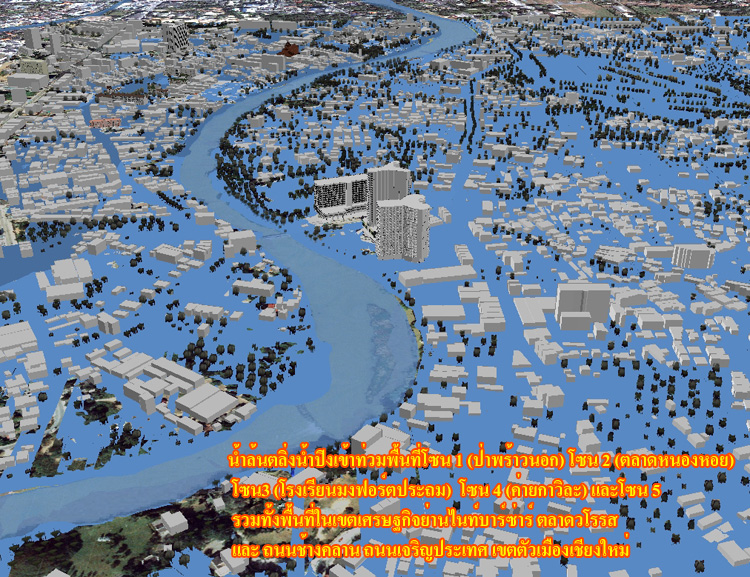
รวม ภาพและคลิป น้ำท่วม เชียงใหม่ 2554 2011


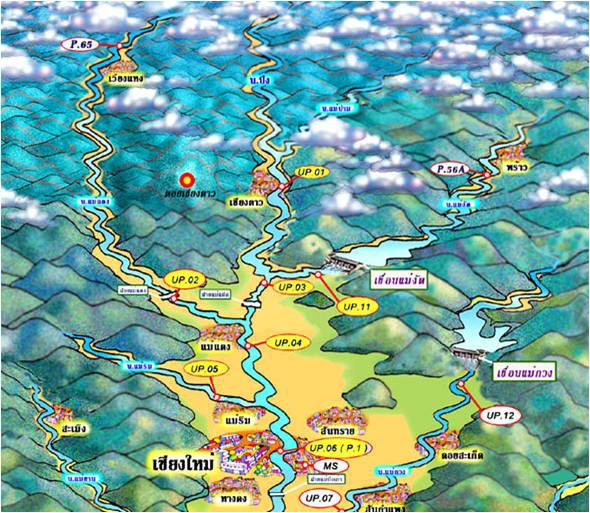
แผนที่การไหลของกระแสน้ำในจังหวัดเชียงใหม่

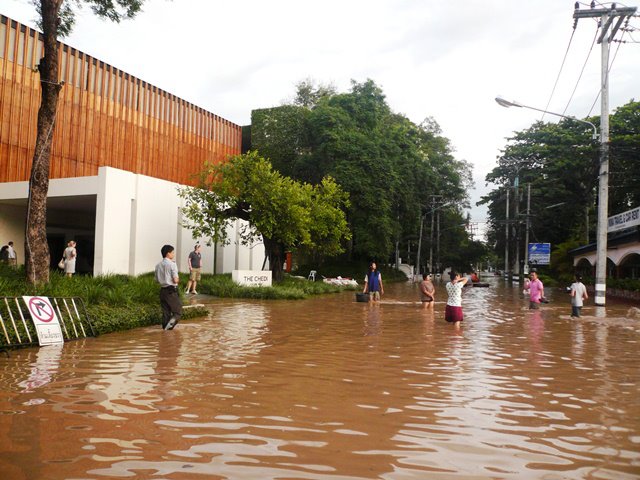
 โรงแรม Chedi วันที่ 30 กันยายน  2554


ภาพจาก Kapook.com

ข้อมูลเพิ่มเติม

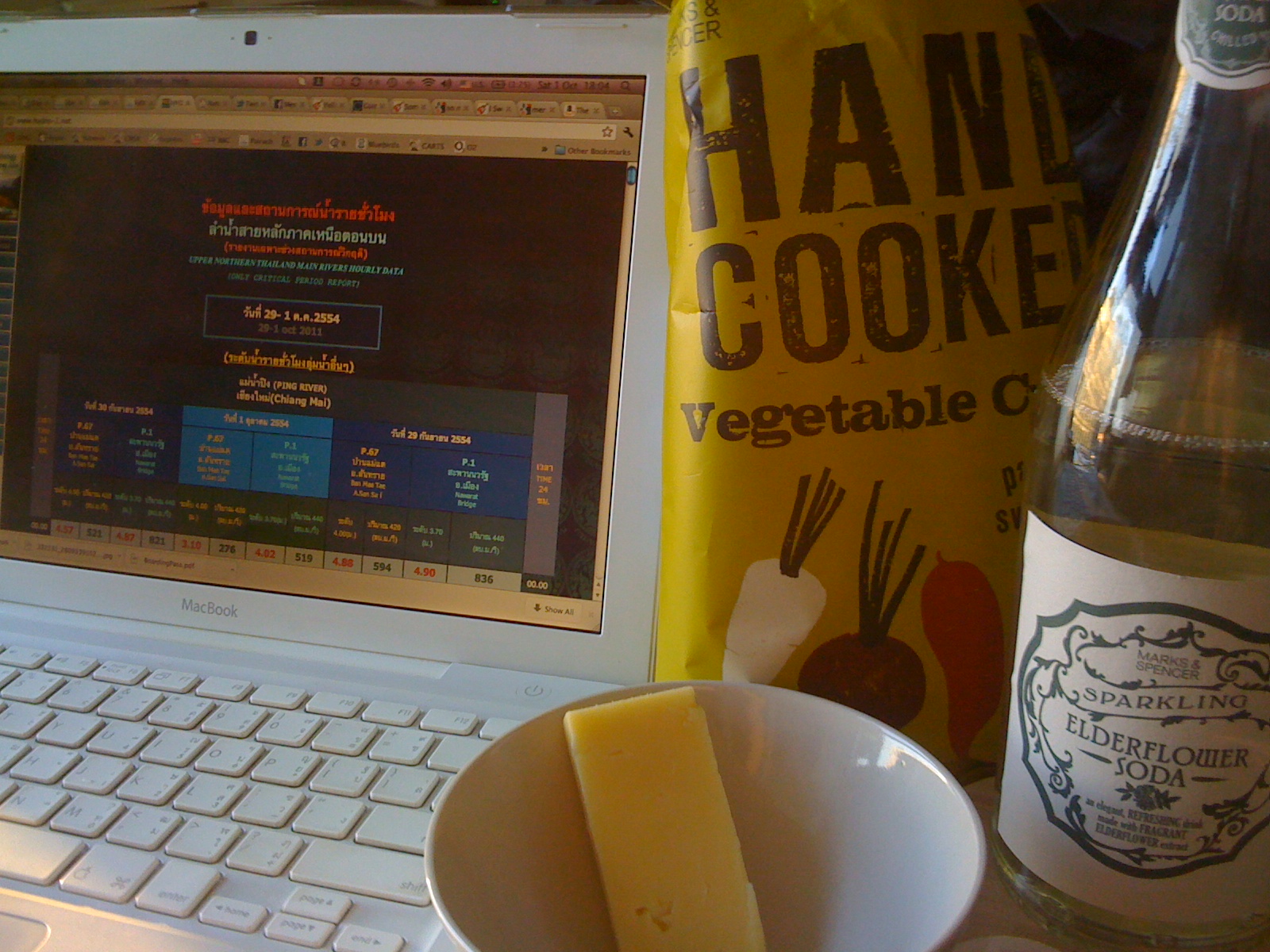
เบื้องหลังการเฝ้าระวังติดตามสถานการณ์น้ำท่วม ^^

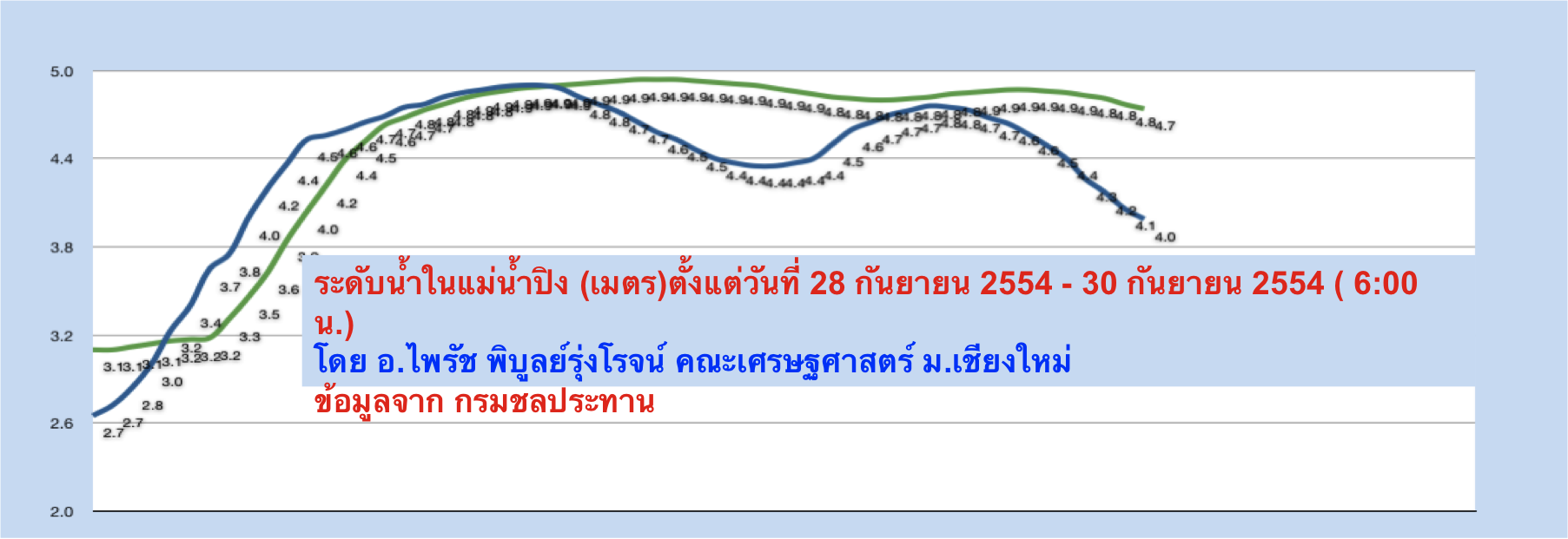
กราฟแสดง ระดับน้ำในแม่น้ำปิง


ภาพด้านบนจาก รายงานของกรมชลประทาน

 ข้อมูลน้ำท่วมเพิ่มเติม

  1. รายงานสถานการณ์แม่น้ำปิง และ น้ำท่วมเชียงใหม่ รายชั่วโมง
  2. รวบรวมข้อมูลสำคัญเกี่ยวกับน้ำท่วมเชียงใหม่